

Cannabis for Relief: Your Complete Guide to Comfort & Recovery
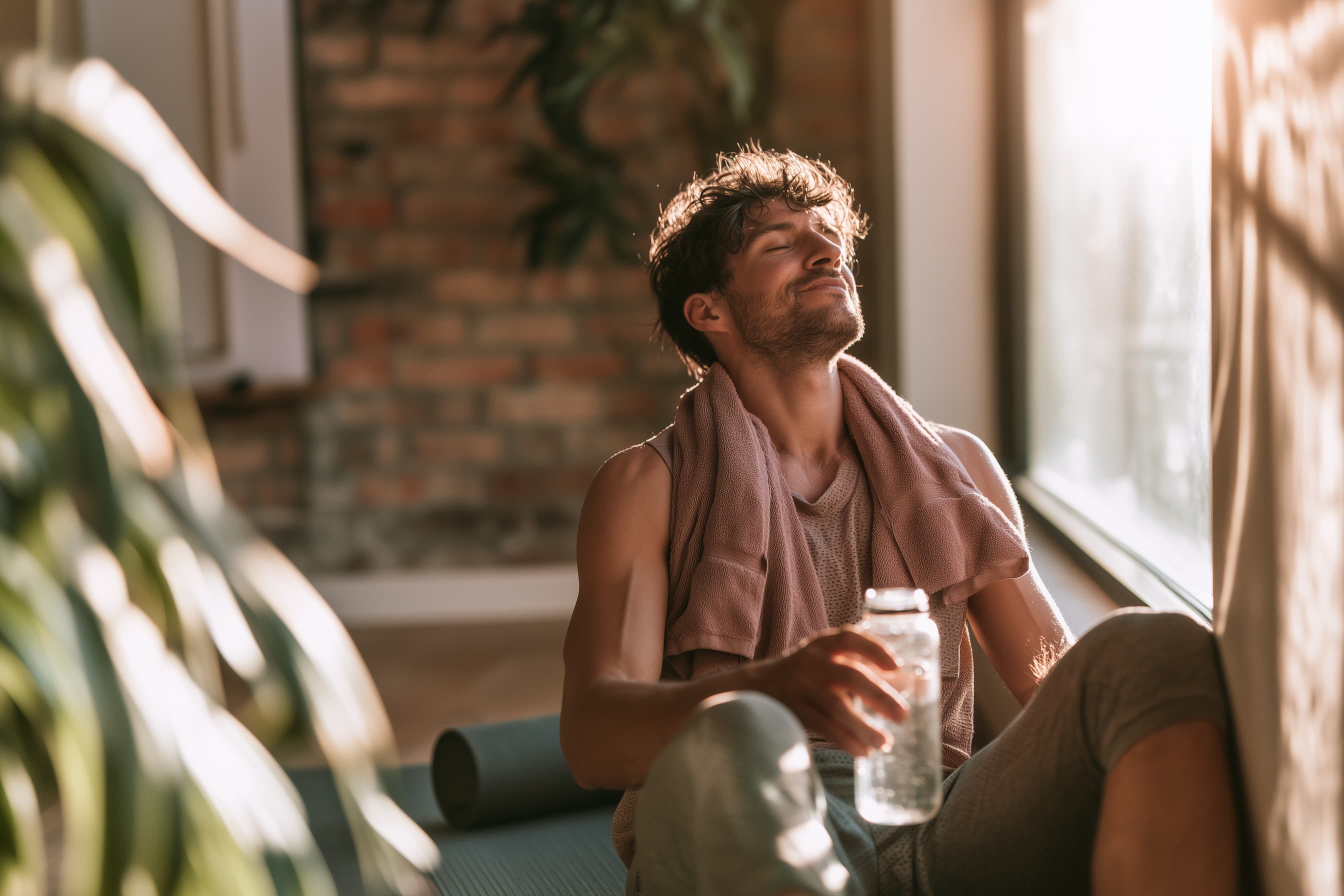
Some days ask a lot of your body. A long shift on your feet, a hard session at the gym, a big day on the mountain, or just the accumulated tension of a busy week — everyone has their own version of wanting to feel like themselves again. Relief is our category for exactly that: the products people reach for when they want to unwind, ease tension, and take the edge off.

Some days ask a lot of your body. A long shift on your feet, a hard session at the gym, a big day on the mountain, or just the accumulated tension of a busy week — everyone has their own version of wanting to feel like themselves again. Relief is our category for exactly that: the products people reach for when they want to unwind, ease tension, and take the edge off.
This guide is a plain-language starting point. We'll cover how cannabis fits into a recovery routine, the difference between CBD and THC, the terpenes you'll see on Relief labels, and the formats worth knowing — including topicals, which work a little differently than everything else. By the end, you'll know enough to shop with confidence or ask our team the right questions.
What "Relief" Really Means
At LivWell, we sort products by how you want to feel rather than by strain name alone. Relief is our body-leaning category — the comfort-and-recovery lane. For some people that means winding down after work; for others it's the post-workout reset or simply a more comfortable evening on the couch.
The advantage of shopping by effect is that you skip the decoding. Two products labeled "indica" can feel quite different depending on their full makeup, so instead of guessing from a strain name, you start with your goal and let our curated Relief shelf narrow the field.
How Cannabis Fits Into a Recovery Routine
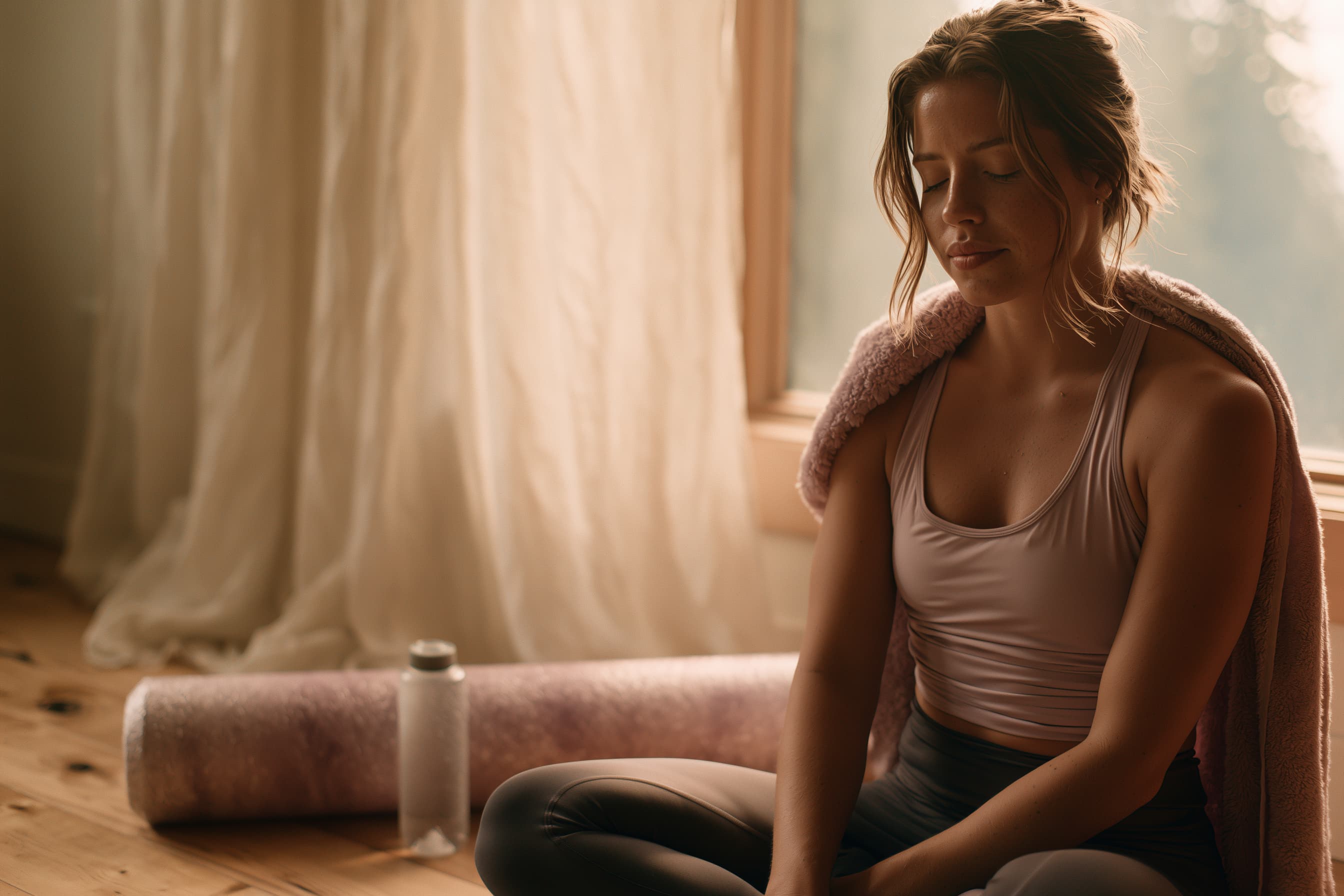
Your body has an endocannabinoid system — a network of receptors involved in everyday functions like mood, comfort, and recovery. Cannabinoids like THC and CBD interact with that system, which is one reason cannabis has become such a common part of how people wind down.
We'll be straight with you: cannabis isn't a treatment, and results vary from person to person. What we can say is that many customers fold it into a broader recovery routine alongside stretching, a warm shower, hydration, or an early night. Framed that way, it's one tool among several — and the goal of this guide is to help you choose that tool well.
CBD, THC, and the Balance Between Them
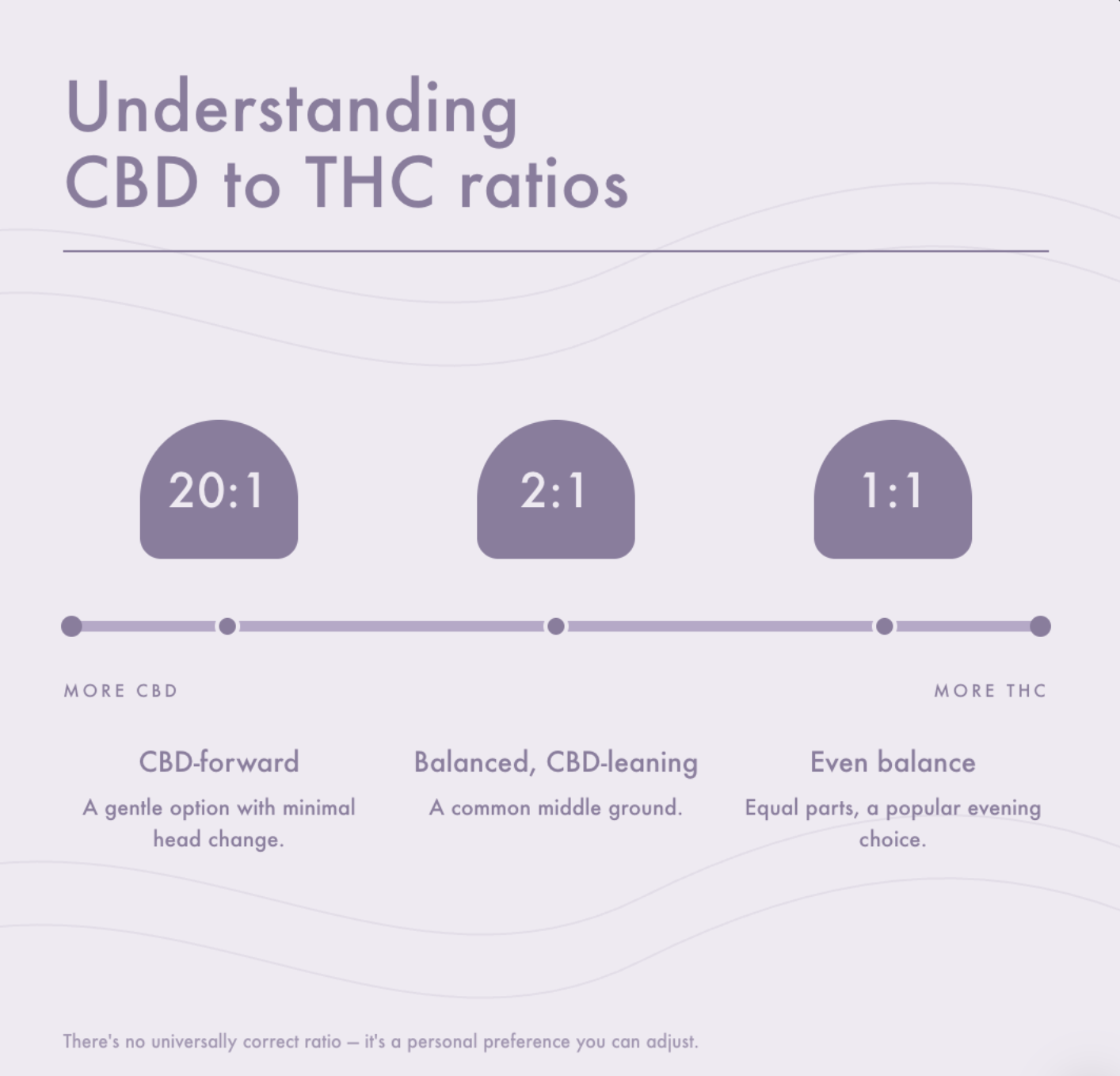
Relief is the category where the CBD-to-THC conversation matters most.
THC drives the classic cannabis experience and is a common ingredient in body-leaning, indica-forward products.
CBD is non-intoxicating, meaning it doesn't produce a "high." Many people who want comfort without a strong head change gravitate toward CBD-forward options.
Balanced ratios — you'll see 1:1, 2:1, even 20:1 (CBD-to-THC) — let you dial in how much intoxication you want alongside the rest of the experience. A higher-CBD ratio is a popular starting point for newcomers and for daytime use, while an even 1:1 is a frequent middle ground. Products like the Stratos Relax tincture and ratio edibles from Wana make these blends easy to explore.
There's no universally "correct" ratio — it's a personal preference you can adjust as you learn what you like.
Terpenes Commonly Found in Relief Products
Terpenes are the aromatic compounds behind cannabis's scent and character. Three come up often in Relief products:
Myrcene — earthy and herbal, one of the most common cannabis terpenes and a frequent signature in mellow, body-forward profiles.
Beta-caryophyllene — peppery and spicy, the terpene that gives black pepper its bite, and a familiar note in many recovery-oriented blends.
Linalool — soft and floral, the same terpene found in lavender, common in calming, evening-leaning products.
Reading a terpene profile is one more clue — alongside the cannabinoid ratio and the format — for matching a product to the kind of evening you have in mind.
Product Types for Relief — What to Consider
The right format comes down to how fast you want onset, how long you'd like it to last, and whether you want a whole-body or a more targeted experience.
Flower offers fast onset and easy control. Indica-leaning options are the natural fit — think Bonsai Carbon Fiber or Somatic Tear Gas.
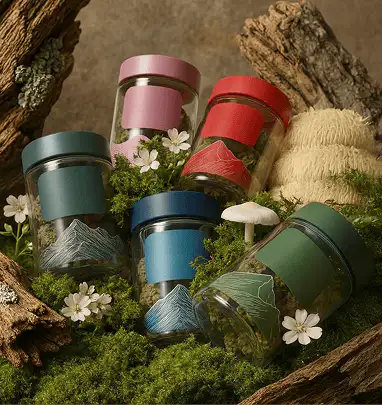
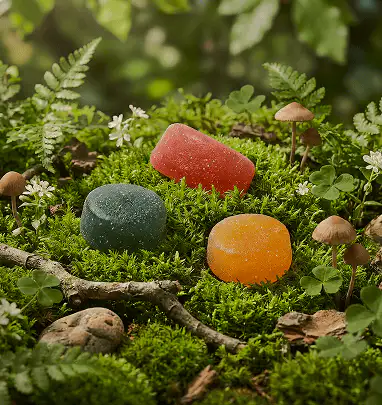
Edibles take longer to come on and last longer, which many people prefer for a full evening. Fast-acting and ratio options like Wana Quick Relief gummies and WYLD Marionberry are popular here.
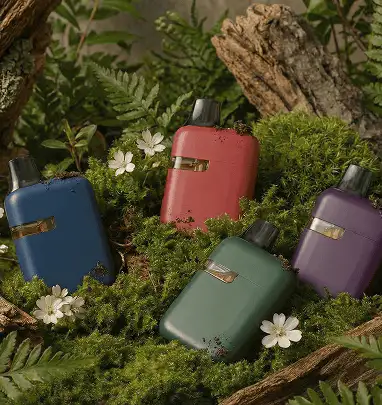
Vapes and concentrates deliver quick onset in a portable format — for example Seed & Smith live resin or a CBG-blended option like The Clear EFX Recover.
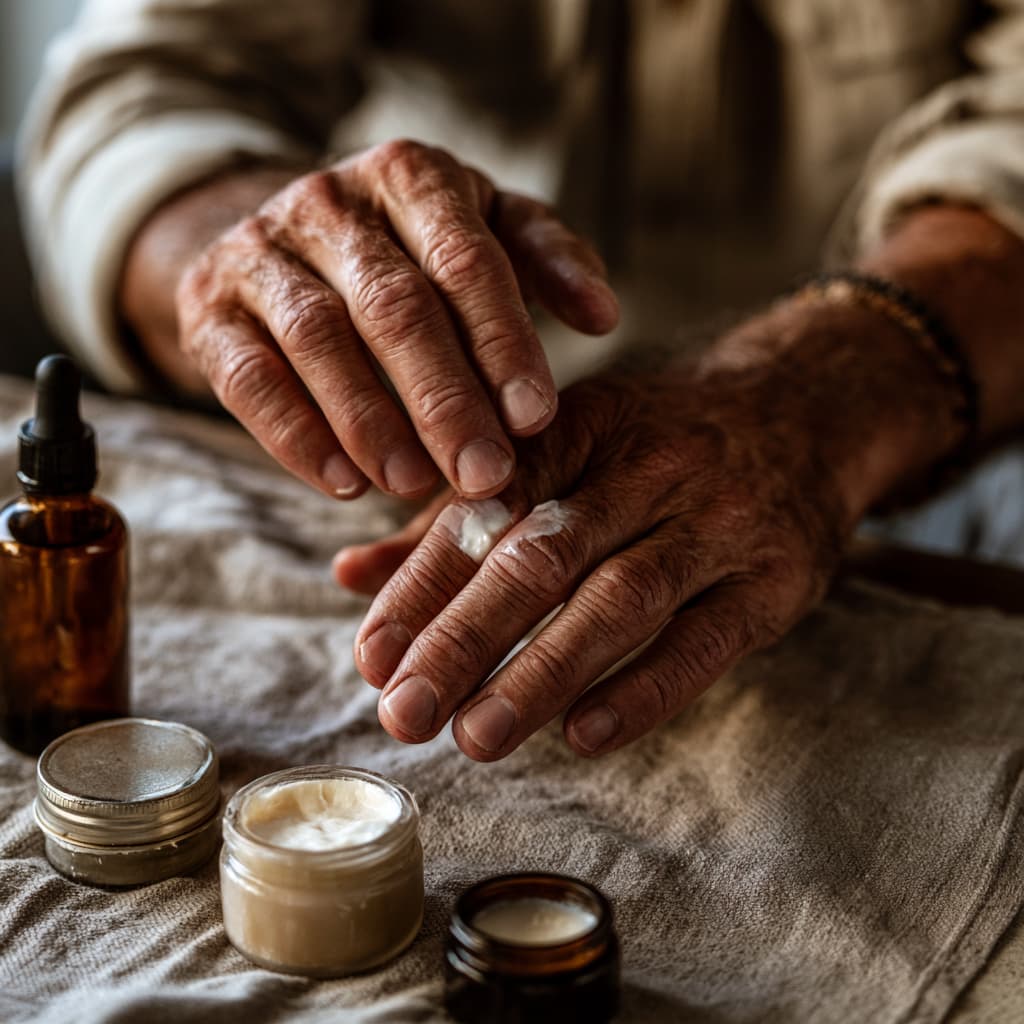
Topicals are the category's wild card and worth understanding: they're applied directly to the skin for a targeted, spot-specific experience, and many are non-intoxicating — meaning you can use them without the "high" that comes from inhaling or eating cannabis. Escape Artists Relief Cream and Mary's Medicinals Nano Cream are two to explore.
Not sure which lane is yours? Our roaming Wellness Guides can talk you through the trade-offs in plain terms.
Getting Started: Building Your Recovery Routine
A few habits make the learning curve gentler.
Start low and go slow, especially with edibles — give a serving time to take effect before reaching for more.
Match the format to the moment. A topical for something targeted; an edible for a longer, whole-body evening; flower or a vape when you want to feel it quickly.
Keep it consistent. Using cannabis at a similar point in your routine makes it easier to notice what's actually working for you.
Find Your Relief at LivWell
Everyone unwinds differently, and our job is to help you find what works for you — without the guesswork. Browse the full Relief collection or find a LivWell near you and let our team walk you through it.
Frequently Asked Questions About Cannabis and Relief
What is the difference between CBD and THC for relief?
THC is intoxicating and produces the classic cannabis experience; CBD is non-intoxicating. Many Relief products blend the two in ratios like 1:1 or 2:1 so you can choose how much of a head change you want alongside the rest of the experience.
Can I use cannabis topicals without getting high?
Many topicals are formulated to be non-intoxicating, applied to the skin for a targeted, localized experience rather than a full-body high. Check each product's label and ask our staff if you're unsure.
What are the best cannabis terpenes for relief?
Myrcene, beta-caryophyllene, and linalool appear often in body-leaning Relief products. Terpenes are one signal among several — pair them with the cannabinoid ratio and format when you choose.
How do I find the right Relief product at LivWell?
Start with how you want to feel and how quickly, then let our team match you to a format and ratio.
Is cannabis legal to buy in Colorado?
Yes. Adults 21 and older can purchase cannabis at licensed Colorado dispensaries, including LivWell. Bring a valid, government-issued ID.
These statements have not been evaluated by the FDA. Cannabis products are not intended to diagnose, treat, cure, or prevent any disease. Individual experiences vary. Consult a healthcare professional before using cannabis, especially if you have a pre-existing health condition or take medications. For use only by adults 21 and older. Keep out of reach of children.